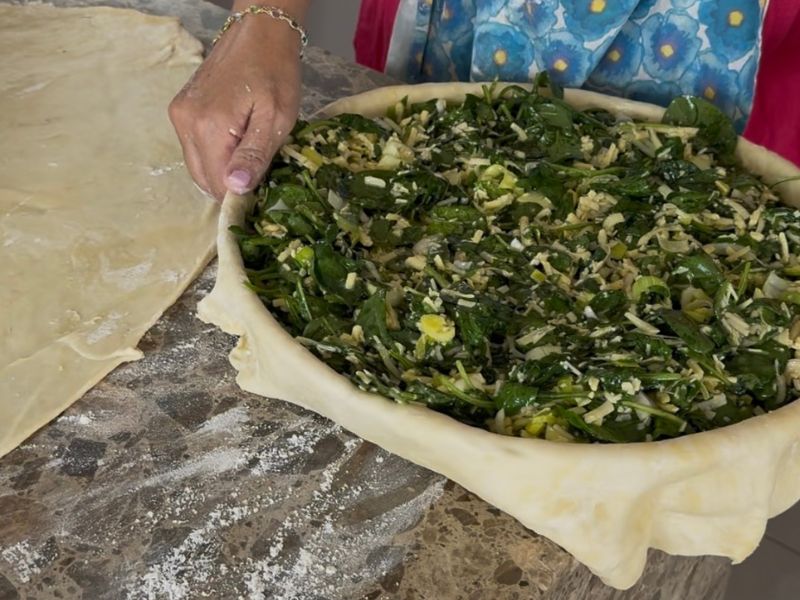
The scent alone is a powerful time machine. A fragrant blend of warm dill and salty feta, intertwining with the irresistible aroma of crisp, golden, buttery phyllo, has the uncanny ability to transport me instantly back to my Yiayia’s (grandmother’s) bustling kitchen. I can still picture myself, a curious child perched precariously on a rickety wooden stool, barely tall enough to peer over the worn countertop. I’d watch, mesmerized, as her experienced hands gracefully layered paper-thin sheets of dough, each one meticulously brushed with liquid gold butter. The soft, rhythmic swoosh of her pastry brush, punctuated by her gentle chatter in Greek, created a beautiful symphony of love, tradition, and culinary artistry. This treasured memory, this feeling, is what I carry with me every single time I bake a homemade greek spinach pie, or Spanakopita. While Yiayia’s measurements were always a charming "a little of this, a little of that," this article aims to capture the very essence of her timeless, comforting, and utterly delicious pie, sharing the secrets that elevate it from good to truly unforgettable.
The Heart of Spanakopita: Why Fresh Ingredients Reign Supreme
The foundation of any exceptional dish lies in the quality of its ingredients, and an authentic greek spinach pie is no exception. While convenience often beckons, particularly in our busy modern lives, certain culinary cornerstones demand a commitment to freshness. This is especially true for the star of our show: the spinach.
The Unsung Hero: Fresh Spinach
For the best Spanakopita of your life, a crucial secret from Yiayia’s kitchen is to insist on fresh spinach. Skip the frozen blocks and those pre-washed bags of baby spinach – trust us, it makes a world of difference. Why is fresh paramount?
- Superior Flavor Profile: Fresh spinach offers a vibrant, earthy taste that simply cannot be replicated by its frozen counterparts, which often carry an underlying metallic note.
- Optimal Filling Texture: When cooked, fresh spinach releases just the right amount of moisture, contributing to a juicy, tender filling without making the phyllo pastry soggy. Frozen spinach, when thawed, tends to be overly watery, requiring extensive squeezing that can leach out flavour.
- Crispy Pie Base: Using raw, finely chopped fresh spinach directly in the filling helps manage moisture from the get-go. This prevents the dreaded soggy bottom, ensuring your pie base remains beautifully crispy.
You’ll need a substantial amount of fresh spinach – typically around 600g (1.2 lbs) of large bunches. This will yield approximately 300g (10 oz) of trimmed spinach leaves once the tougher stems are removed. While it might seem like a lot, spinach cooks down significantly, so don’t be shy!
The Flavor Foundation: Feta, Herbs, and More
Beyond the spinach, a symphony of other fresh ingredients contributes to the rich, savory profile of an authentic greek spinach pie:
- Feta Cheese: This is the indispensable partner to spinach, a combination as intrinsically Greek as the Aegean Sea. Opt for authentic Greek feta, preferably from sheep or goat’s milk, for its tangy, salty, and creamy notes.
- Dill and Mint: These fresh herbs are non-negotiable. Dill provides a distinctive, slightly anisy freshness, while mint adds a bright, cooling counterpoint. Together, they create that "unmissable taste" that defines Spanakopita. Do not be tempted to omit or substitute them with dried versions – the fresh aroma and flavour are key.
- Greek Yogurt (or Plain Unsweetened Yogurt): A dollop of yogurt adds a subtle creaminess and helps bind the filling, contributing moisture without making it watery. It keeps the filling juicy and prevents it from drying out during baking.
- Egg: This is the ultimate culinary binder. A beaten egg integrates all the delicious ingredients, ensuring the filling holds together beautifully when sliced.
Mastering the Flaky Layers: Phyllo Dough Secrets
The visual appeal and textural delight of Spanakopita largely hinge on its iconic casing: layers upon layers of golden, buttery, and incredibly flaky phyllo pastry. Achieving this ethereal crispness is an art form, but one that is surprisingly accessible with a few key techniques.
The Art of Layering and the "Secret" Cheese Trick
Working with phyllo dough can seem intimidating at first, but patience and a light touch are your best allies. The process involves delicately layering individual sheets, each one brushed generously with melted unsalted butter. This layering creates hundreds of micro-pockets of air, which expand during baking to give Spanakopita its signature light and airy crispness.
Here’s a fantastic trick, straight from seasoned Greek cooks, that truly elevates your greek spinach pie: to ensure the top layers of phyllo stick together rather than scattering everywhere when you cut into the pie, lightly sprinkle a finely shredded Greek hard cheese between some of the phyllo sheets that form the top crust. Kefalotyri is the traditional choice – a Greek hard cheese made from sheep or goat's milk, with a flavour profile somewhat similar to Parmesan but less salty and sharp. If Kefalotyri isn't readily available, excellent substitutes include high-quality Parmesan, Pecorino Romano, or even a sharp aged cheddar. This "food glue" melts slightly, gently adhering the delicate layers, making for a cleaner cut and a more satisfying eating experience. Discover more treasured family secrets for working with phyllo to achieve perfection.
When working with phyllo, remember these tips:
- Keep it Covered: Phyllo dries out incredibly quickly. Always keep the sheets you’re not actively using covered with a damp, clean kitchen towel.
- Work Efficiently: Once unwrapped, phyllo is best used within a relatively short time frame. Have your butter melted and your brush ready.
- Don’t Skimp on Butter: Butter is crucial for flavour and crispness. Don’t be afraid to brush each layer generously.
Beyond the Recipe: Serving, Storing, and Enjoying Your Spanakopita
Once your kitchen is filled with that intoxicating aroma and your Spanakopita emerges from the oven, golden and glistening, the final step is to enjoy it to its fullest. This versatile greek spinach pie is a crowd-pleaser for any occasion.
Serving Suggestions for Your Golden Pie
Spanakopita is truly at its best served warm, straight from the oven. Allow it to cool for 10-15 minutes before slicing – this helps the layers set and makes for cleaner cuts. Its flaky crust and savory, herbaceous filling make it incredibly versatile:
- Delicious Appetizer: Cut into small squares or triangles for an impressive party starter.
- Perfect Side Dish: It complements roasted meats, grilled fish, or a simple Greek salad beautifully.
- Light Meal: Paired with a fresh salad, a generous slice of Spanakopita makes for a satisfying and wholesome lunch or dinner.
Garnish your pie with a sprinkle of fresh parsley for a pop of colour and an extra touch of herbaceous freshness. I recall serving this Spanakopita at a recent gathering, and to say it was the most popular dish would be an understatement. It was the first thing to disappear, garnering rave reviews around the table. But the biggest compliment? Silence. My group of friends are famously chatty, so when something renders them completely silent at the table, it’s a serious testament to the food’s deliciousness! We were picking at the leftover shards of flaky phyllo long after the last piece of pie had vanished.
Storage and Reheating Tips
Should you be lucky enough to have any leftovers, Spanakopita can be stored in an airtight container in the refrigerator for up to 3 days. To revive its glorious crispness, the best method for reheating is in a preheated oven at 350 degrees Fahrenheit (175 degrees Celsius) until heated through and the crust is wonderfully crispy again. While individual slices can be reheated in a microwave for convenience, be aware that the crust will likely lose its crispness and become softer. A common question is about freezing Spanakopita; however, it’s generally not ideal for freezing. The delicate phyllo dough can become soggy and lose its textural integrity upon thawing, diminishing the overall experience.
Bringing Yiayia's Legacy to Your Kitchen
Making an authentic greek spinach pie is more than just following a recipe; it's an act of preserving tradition, sharing love, and connecting with a rich culinary heritage. Each carefully layered sheet of phyllo, each fragrant herb, and every crumble of feta cheese contributes to a dish that is deeply comforting and universally adored. By embracing fresh, quality ingredients and mastering a few simple techniques, you can bring the warmth and flavour of Yiayia's kitchen directly into your own home.
From the foundational choice of vibrant fresh spinach to the clever trick of adding cheese between the phyllo layers for structural integrity and an extra pop of flavour, these are the secrets that transform a simple pie into a culinary masterpiece. So, roll up your sleeves, gather your ingredients, and prepare to create a Spanakopita that will undoubtedly earn rave reviews and, perhaps, even moments of appreciative silence from your loved ones. Enjoy the process, and most importantly, savor every delicious bite of your homemade authentic Greek spinach pie.
